
Svalbard may appear wild and empty at first glance, but the High Arctic is home to a surprising variety of wildlife. From the mighty polar bear roaming the sea ice to whales moving through the fjords and thousands of seabirds nesting along dramatic cliffs, the archipelago is one of Europe’s most remarkable wildlife destinations.
Although life here must adapt to extreme conditions, many species thrive in the rich Arctic ecosystem.
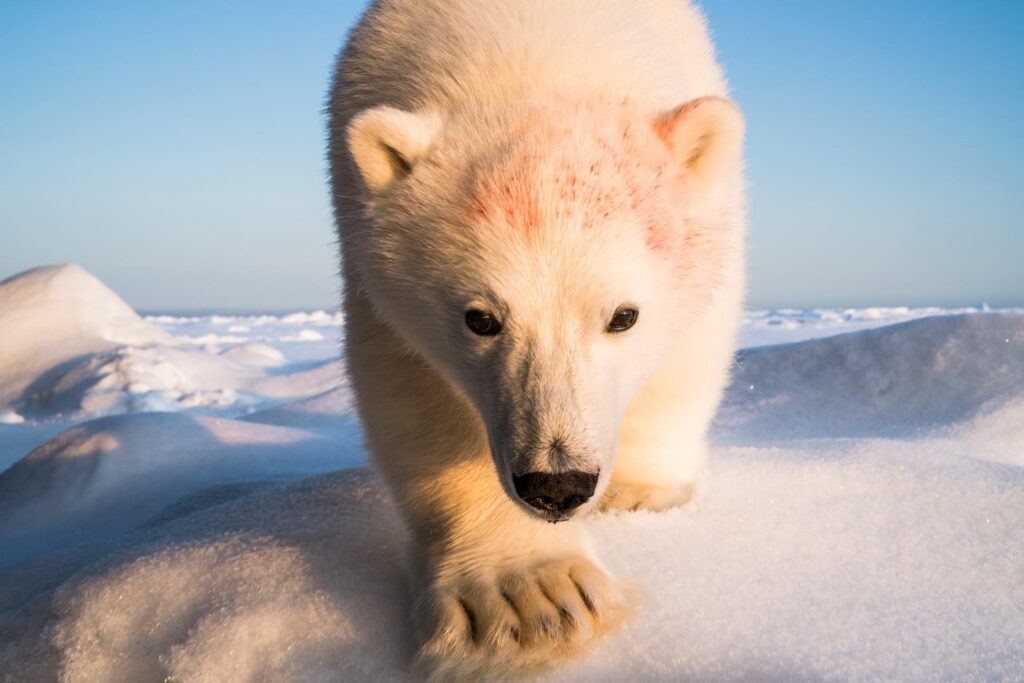
The Polar Bear
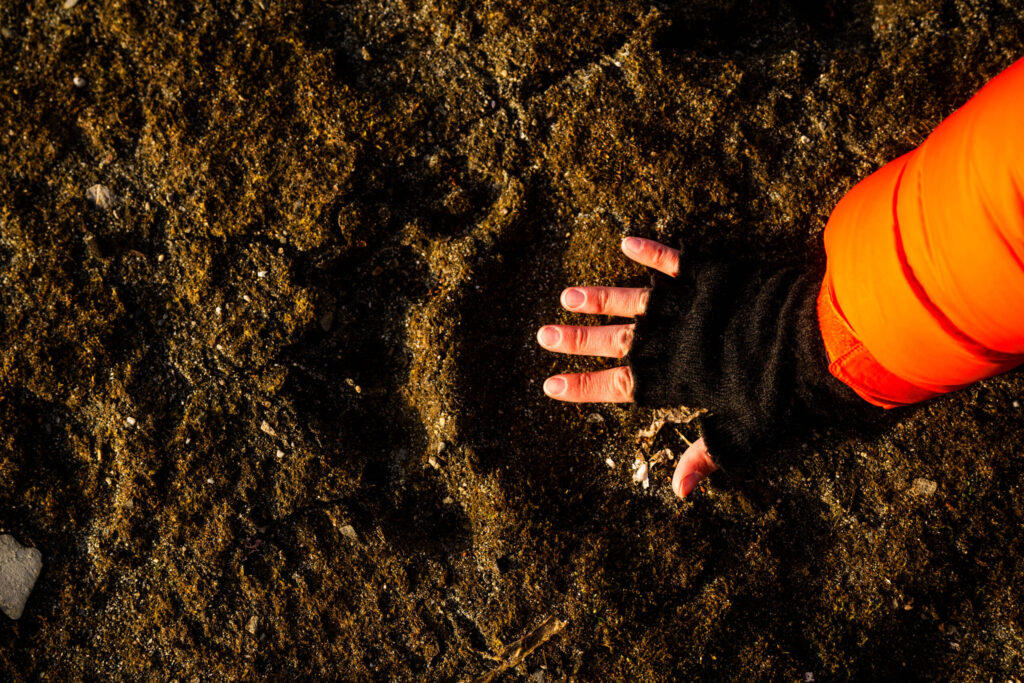
The polar bear is Svalbard’s most famous resident and the undisputed symbol of the High Arctic. Around 300 polar bears live on the Svalbard archipelago, although the wider Barents Sea population is much larger.
Polar bears spend most of their lives on sea ice hunting seals, but they are also occasionally seen along the coastlines of Spitsbergen. Encounters are rare but possible, which is why travelling outside the settlements always requires proper safety precautions and experienced guides.
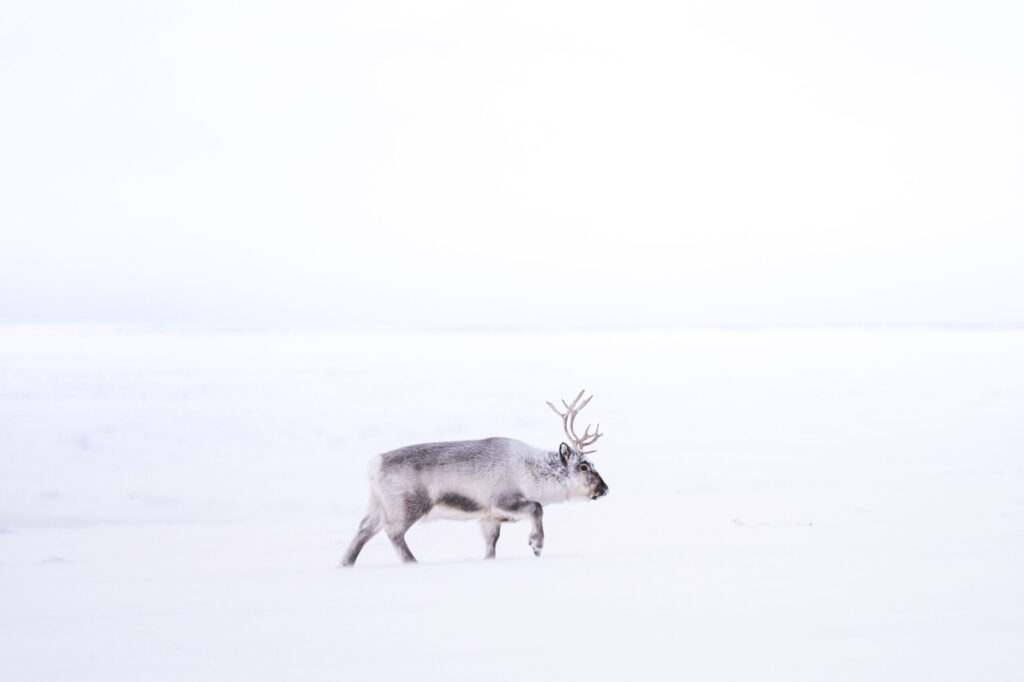
Svalbard Reindeer
The Svalbard reindeer is one of the easiest animals to encounter when visiting the archipelago. Smaller and more compact than mainland reindeer, they are well adapted to the harsh Arctic climate.
These gentle animals can often be seen grazing on moss and tundra vegetation in the valleys around Longyearbyen. Having lived without natural predators for centuries, they are known for their calm and curious behaviour.
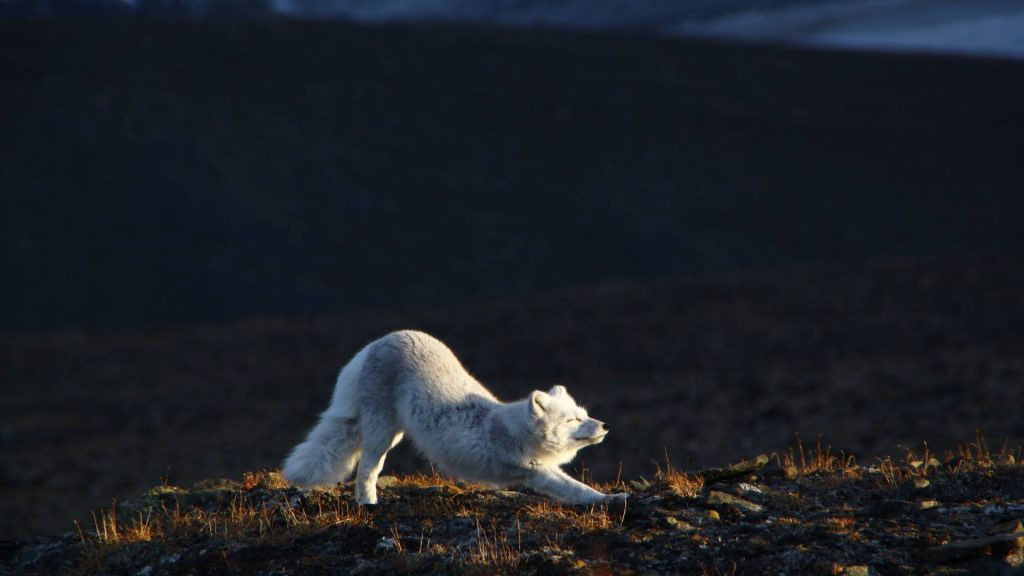
Arctic Fox
The Arctic fox is one of the most resilient animals in the Arctic. With its thick fur and incredible ability to survive long winters, it is perfectly adapted to life in the High Arctic.
In winter the fox wears a pure white coat that blends into the snowy landscape, while in summer its fur turns brown and grey. Arctic foxes are opportunistic hunters and scavengers, often following polar bears or searching for food along the coast.
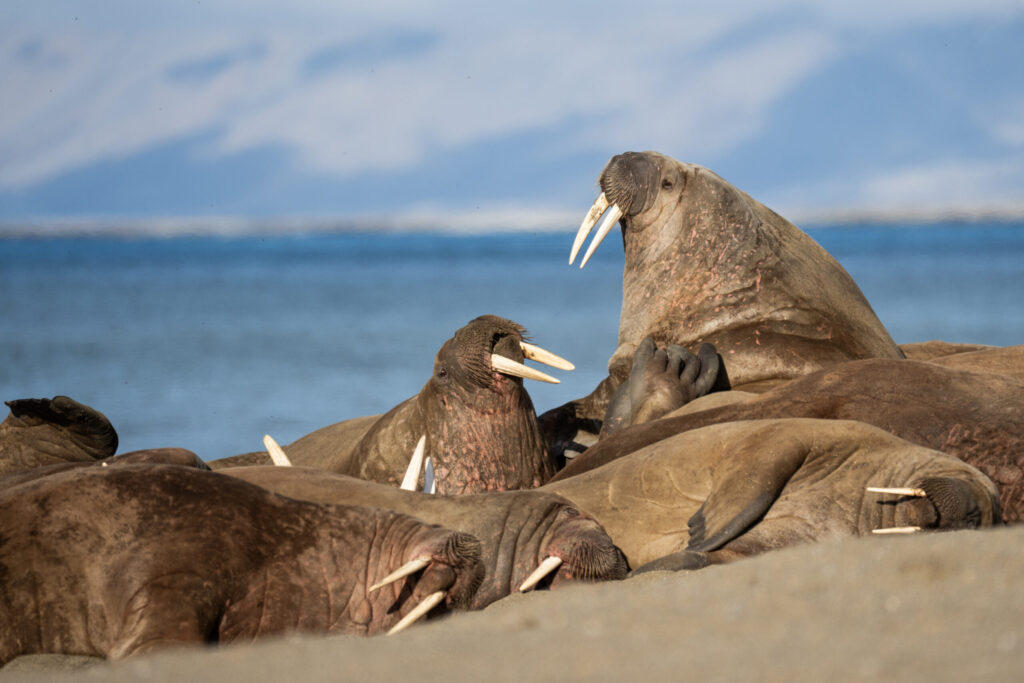
Walrus
Along the shores of Svalbard, particularly on remote beaches and islands, you may encounter the impressive walrus. These large marine mammals can weigh over a ton and are easily recognised by their long tusks and whiskered faces.
Walruses often gather in groups along the coastline to rest between dives, feeding on clams and other shellfish on the seabed.
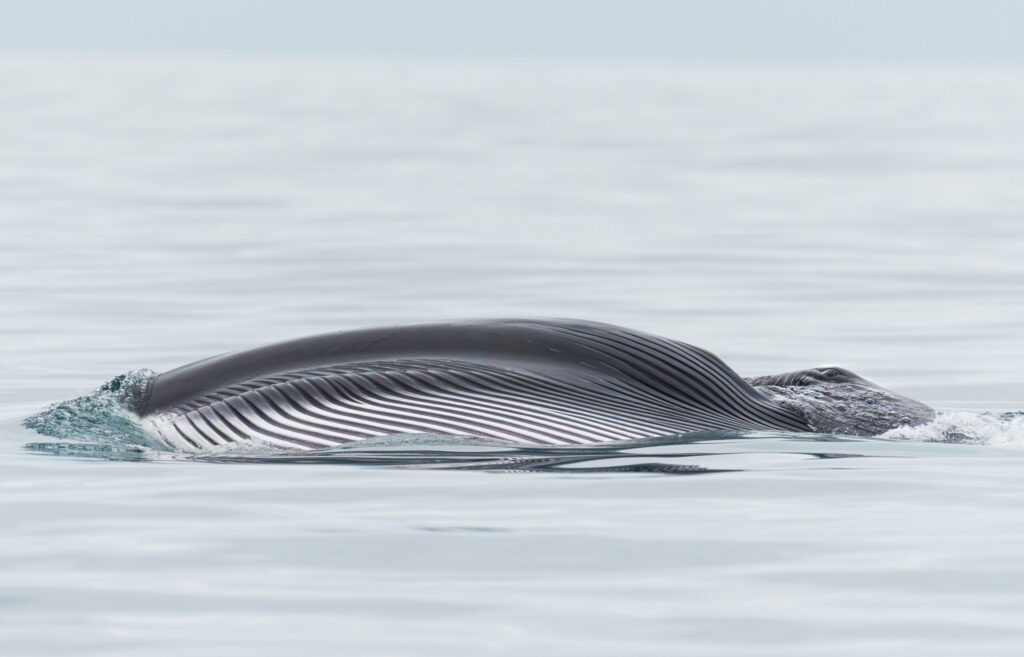
Whales and Marine Life
The waters surrounding Svalbard are rich in marine life. During summer, several whale species migrate to the area to feed in the nutrient-rich Arctic seas.
Visitors sometimes encounter beluga whales, minke whales, humpback whales, and occasionally even blue whales. Seals are also common, particularly ringed seals and bearded seals, which are important prey for polar bears.
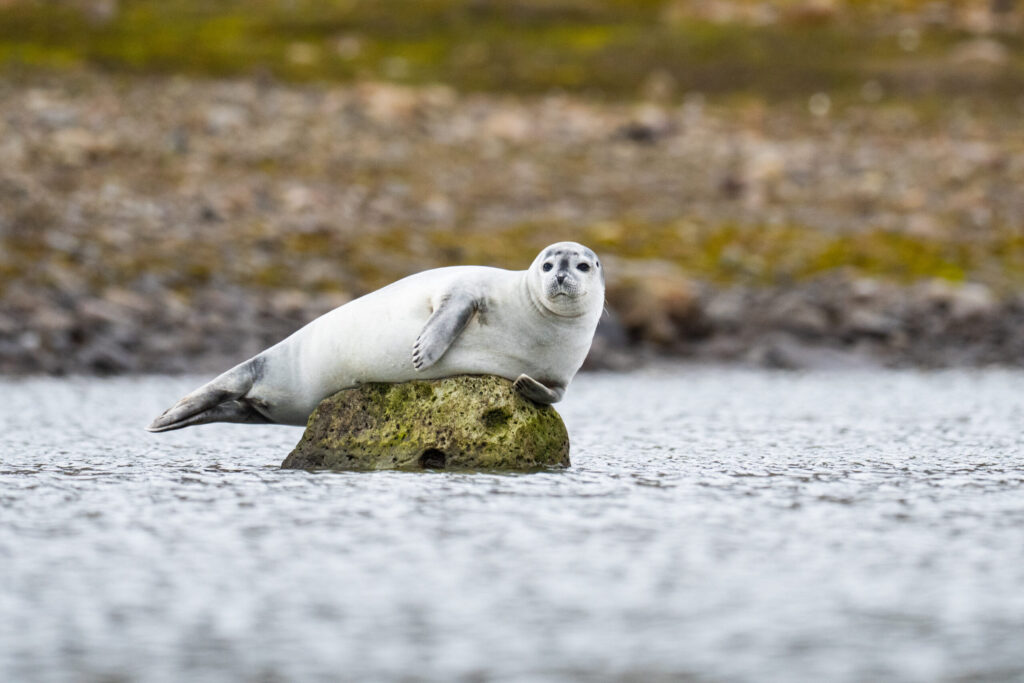
Seals
Seals are among the most important marine mammals in Svalbard’s ecosystem and play a key role in the Arctic food chain. Several species live in the waters around the archipelago, including ringed seals and bearded seals, which are commonly found along the coast and on sea ice. Ringed seals often create breathing holes in the ice and build snow dens where they rest and raise their pups. These seals are also the primary prey of the polar bear. During boat trips in summer, visitors may occasionally spot seals resting on ice floes or swimming quietly in the fjords, their curious heads appearing above the surface before disappearing again into the cold Arctic waters.
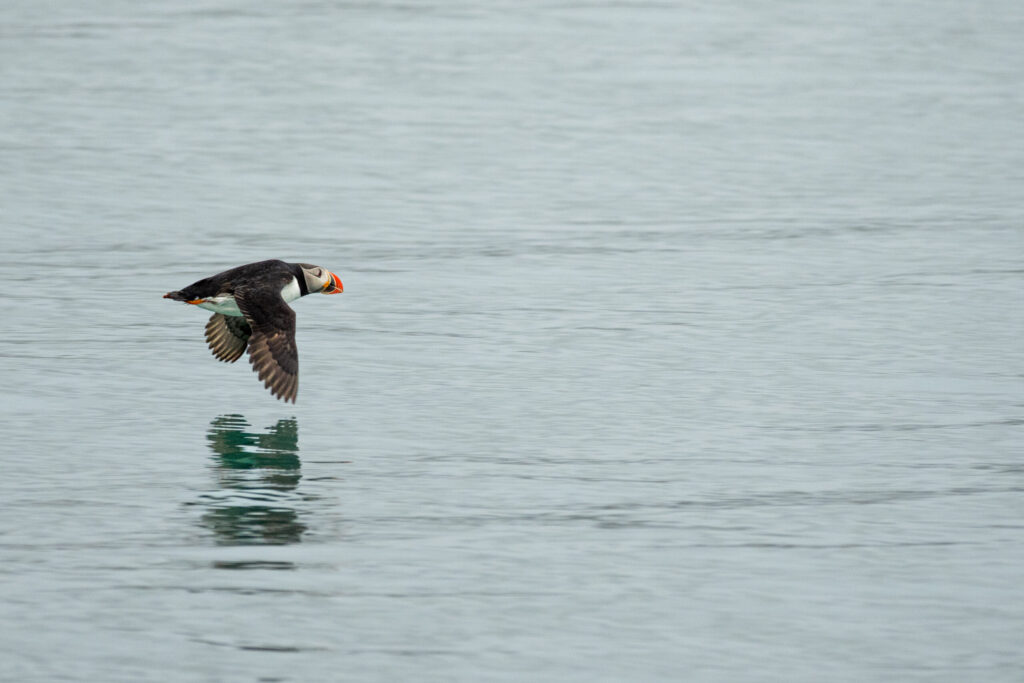
Seabird Cliffs
Svalbard’s birdlife is particularly spectacular during the summer months. Millions of seabirds gather along steep cliffs to breed, creating one of the largest bird colonies in the Arctic.
Species such as little auks, kittiwakes, guillemots and fulmars fill the air above the cliffs with constant movement and sound.
A Fragile Arctic Ecosystem
Wildlife in Svalbard lives in a delicate balance with the Arctic environment. The animals here have adapted to some of the most extreme conditions on Earth, and their survival depends on a healthy ecosystem.
Visitors are encouraged to observe wildlife from a respectful distance and to travel with experienced guides who understand the Arctic environment.
For many travellers, encountering wildlife in such a remote and powerful landscape becomes one of the most memorable parts of visiting Svalbard.
 PREVIOUS STORY
