
Longyearbyen is a strange mix of Arctic nature, old history and modern technology. Here you can find both high speed internet and polar bears, right next to each other.
Longyearbyen is a combination of modern houses and old mining structures. You can see children walking to and from the school along with reindeer. You can sit with a cup of coffee using a highspeed internet connection, while others walk past with rifles. Spitsbergen is a place of contrasts.
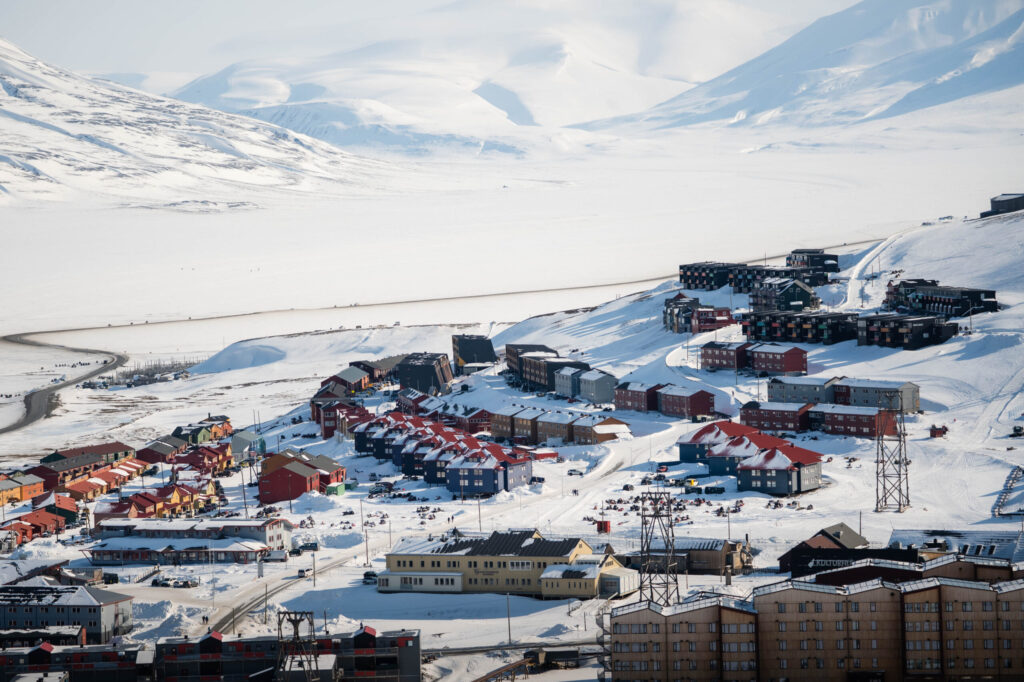
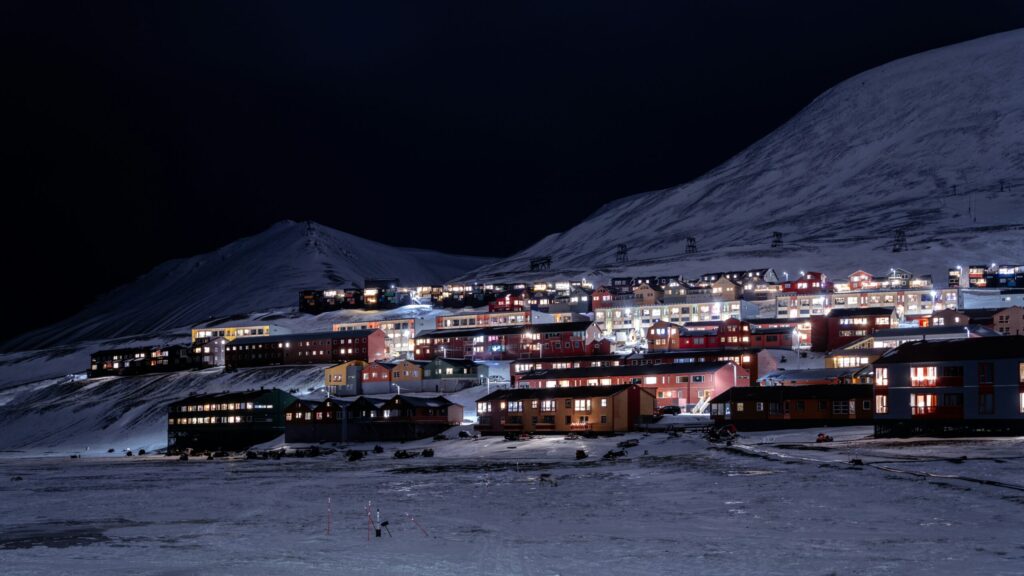
Arriving by plane or boat is really the only possibility when it comes to visiting Longyearbyen. It’s a roughly three hour flight from Oslo. Longyearbyen is located in small valley of Longyear, surrounded by mountains on three sides, with the Adventfjord on the fourth.
For more than a century, this settlement was built on coal. Founded in 1906 by American industrialist John Munro Longyear, Longyearbyen grew as a company town shaped by mining, hardship and resilience. The rhythm of life followed the shifts underground. Coal dust, narrow-gauge rail tracks and wooden barracks defined the early skyline.
But in June 2025, an era ended. Coal mining, the backbone of the community for generations, officially closed. And with it, Longyearbyen turned a decisive page in its history.
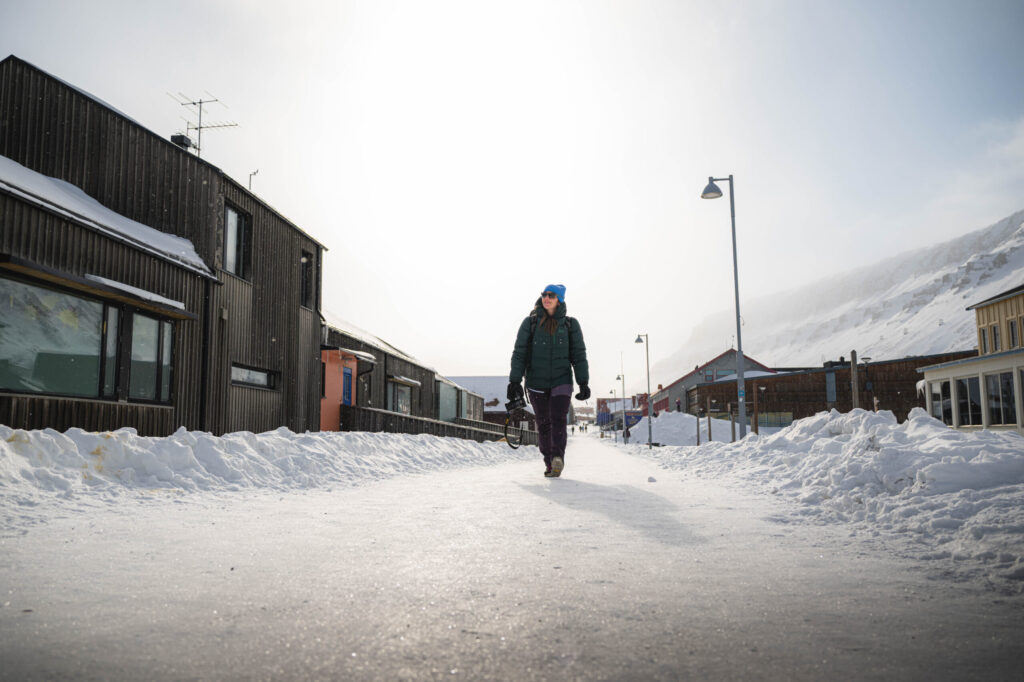
Today, Longyearbyen stands as a modern Arctic frontier town where research, education and tourism have taken the lead. Scientists study climate change at the world’s edge. Students arrive from across the globe to attend university courses in Arctic biology and geology. Entrepreneurs, chefs and guides build businesses shaped by the landscape rather than extracting from it.
Tourism has become the town’s largest industry, but not mass tourism. Here, travel is about scale, silence and substance.
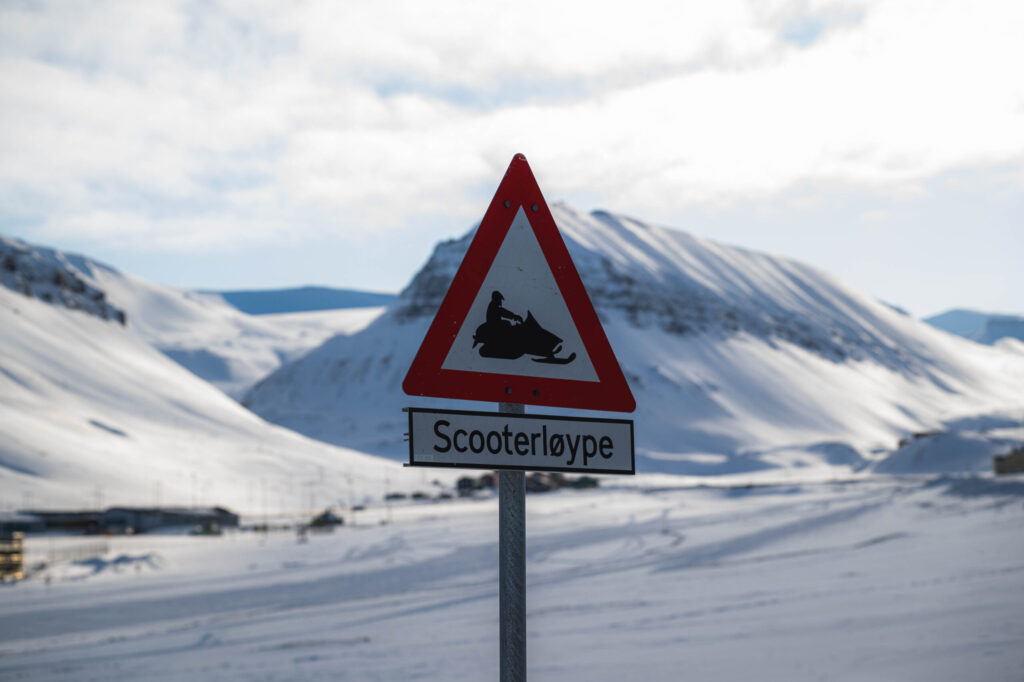
Snowmobiles replace city traffic in winter. Kayaks and expedition boats glide through ice-free fjords in summer. Polar bears outnumber people on the archipelago, a constant reminder that this is still the wild.
Longyearbyen may be small, but it carries an outsized personality.
There are craft breweries, world-class restaurants serving Arctic ingredients, contemporary art exhibitions and live concerts beneath the northern lights. You can sip cocktails at 78° north, visit a global seed vault safeguarding the planet’s crops, or join a dog sled expedition just minutes from town.
The streets are compact. The community is international. Around 2,500 residents from more than 50 nations live here, united by the shared experience of extreme seasons — four months of midnight sun and four months of polar night.
Step just beyond the final row of houses and you are in untamed terrain. There are no roads connecting Svalbard’s settlements. No trees soften the wind. Nature is immediate and uncompromising.
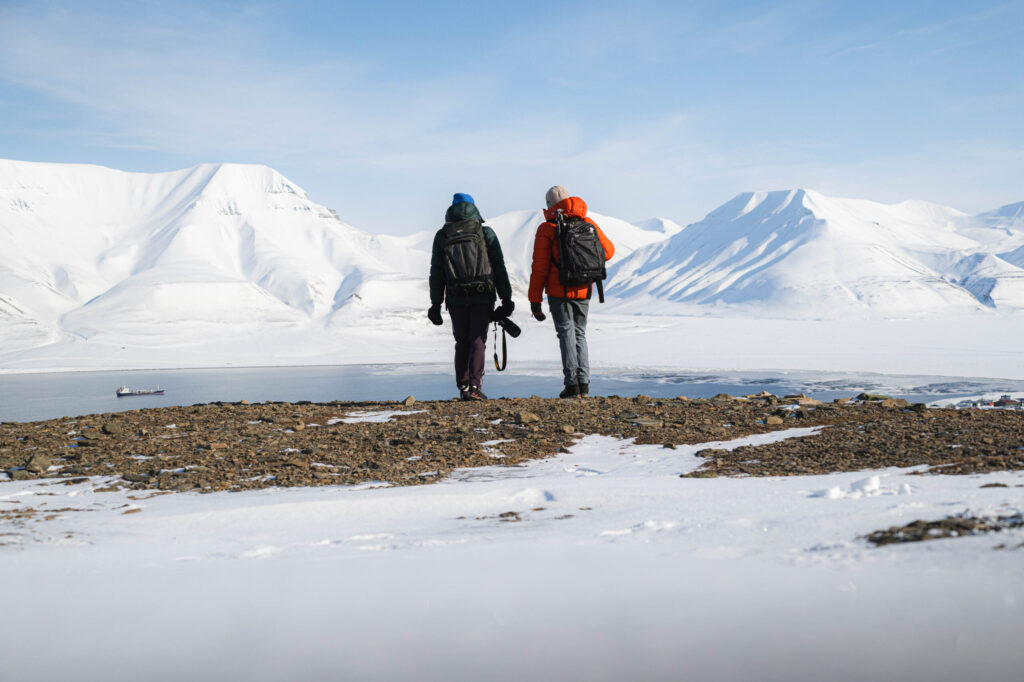
It is this proximity to wilderness that defines Longyearbyen. You do not visit the Arctic from here. You step directly into it.
Longyearbyen is no longer a mining town. It is something rarer — a community redefining itself at the edge of the world.
From coal to culture. From extraction to experience.
A frontier town entering a new chapter, shaped by knowledge, sustainability and a deep respect for the Arctic environment.
And yet, beneath the modern cafés and expedition gear stores, the history remains. The old mine entrances still cut into the mountainside. The stories of trappers and miners still echo in the wind.
Longyearbyen is not polished. It is honest.
 PREVIOUS POST
