
Svalbard is a place of dramatic seasonal change. Far above the Arctic Circle, the rhythm of the year is shaped by light rather than temperature. From the deep darkness of the polar night to the endless daylight of the midnight sun, each season reveals a completely different side of the High Arctic.
There is no single “best” time to visit Svalbard — only different ways to experience it. Whether you are drawn by winter expeditions, the return of the sun, summer wildlife or the quiet colours of autumn, every season offers something remarkable.
Winter
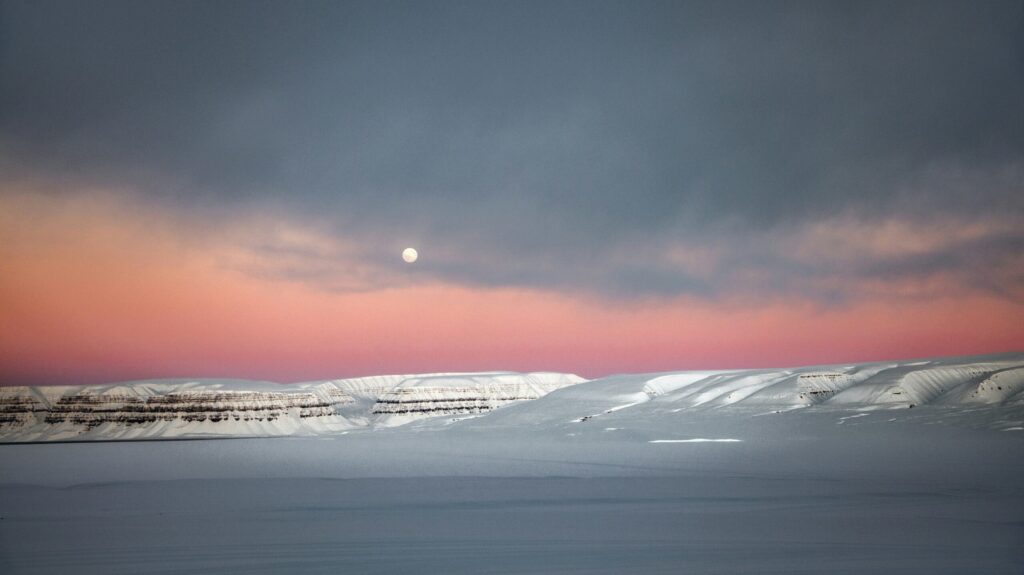
Winter in Svalbard is the season for true Arctic expeditions. From February, the landscape is covered in deep snow and the fjords are frozen, opening vast routes into the wilderness. This is the time for snowmobile journeys across frozen valleys, dog sledding through silent landscapes and multi-day expeditions to remote outposts like Isfjord Radio and Nordenskiöld Lodge.
The low Arctic sun paints the mountains in soft pastel colours, and long days on the trail are often rewarded with evenings beneath dancing northern lights.
Sunny Winter
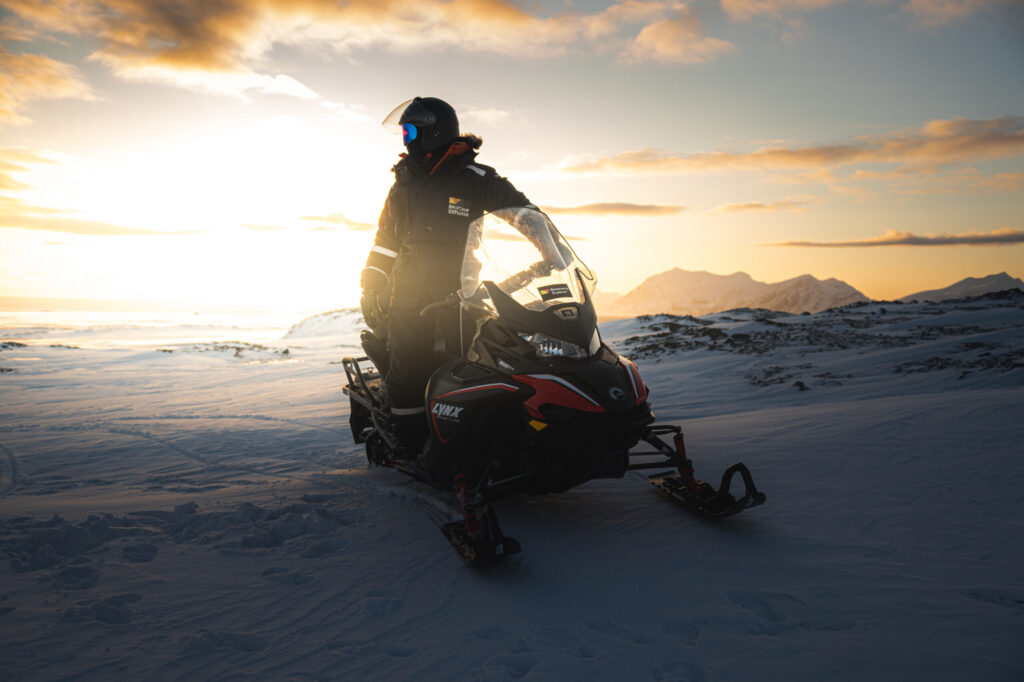
Sunny winter marks the magical return of light to the High Arctic. After months of darkness, the sun rises above the horizon again in early March, transforming the landscape with glowing snowfields and endless daylight.
For many Arctic explorers, this is the most beautiful time of the year. Long days make it perfect for snowmobile adventures, ski expeditions and dog sledding across Svalbard’s vast wilderness. The air is crisp, the snow is stable, and the landscape stretches endlessly beneath bright Arctic skies.
Summer
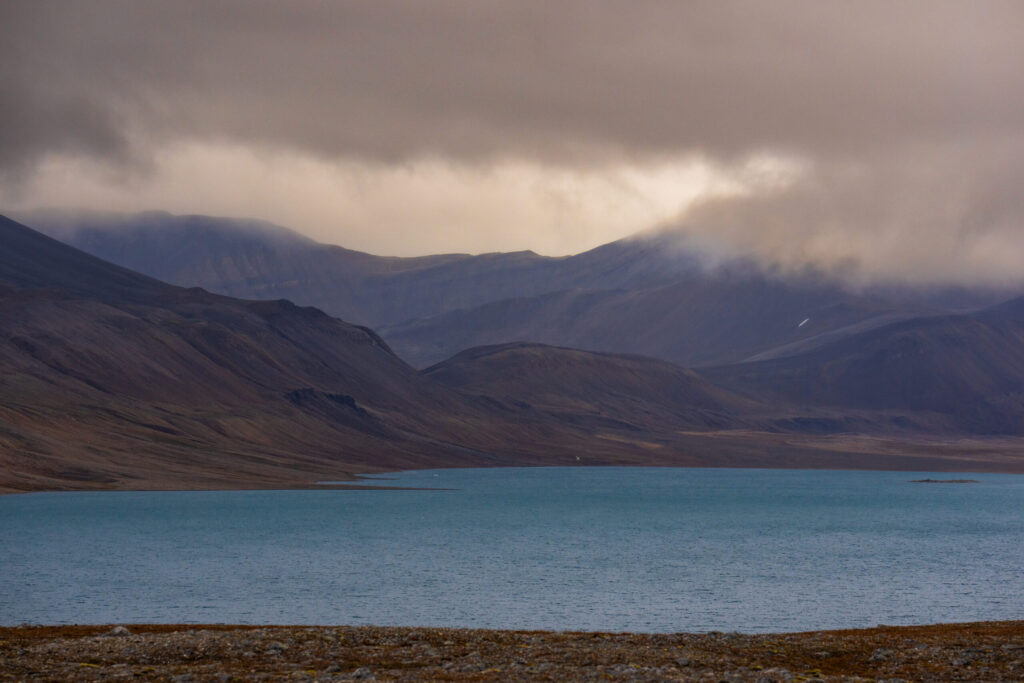
From late May to early September, Svalbard enters the season of the midnight sun. The sun never sets, creating a world where time seems to stretch and exploration continues around the clock.
Summer is the best time to explore the coastline and fjords by boat or kayak, paddle in front of towering glaciers and discover remote corners of the archipelago. Wildlife is particularly active during this period. Seabirds fill the cliffs, walruses rest along the beaches and whales can often be seen in the surrounding waters.
With snow retreating from the valleys, summer also reveals historic trapper cabins, old mining settlements and the stories of those who once lived in this remote Arctic landscape.
Autumn
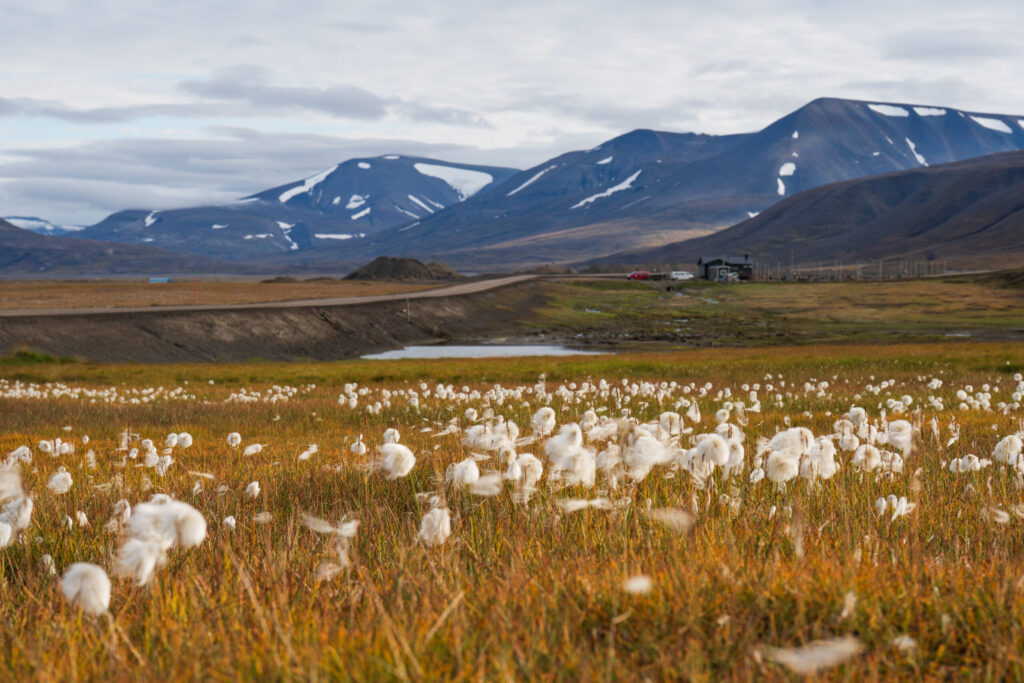
Autumn is Svalbard’s most peaceful season. The tundra briefly turns red, orange and golden as the short Arctic autumn arrives.
Fewer visitors come at this time of year, and the wilderness feels even more remote and quiet. As the days grow shorter, the first northern lights return to the night sky. It is a beautiful and atmospheric time to explore Longyearbyen and experience the calm before winter returns.
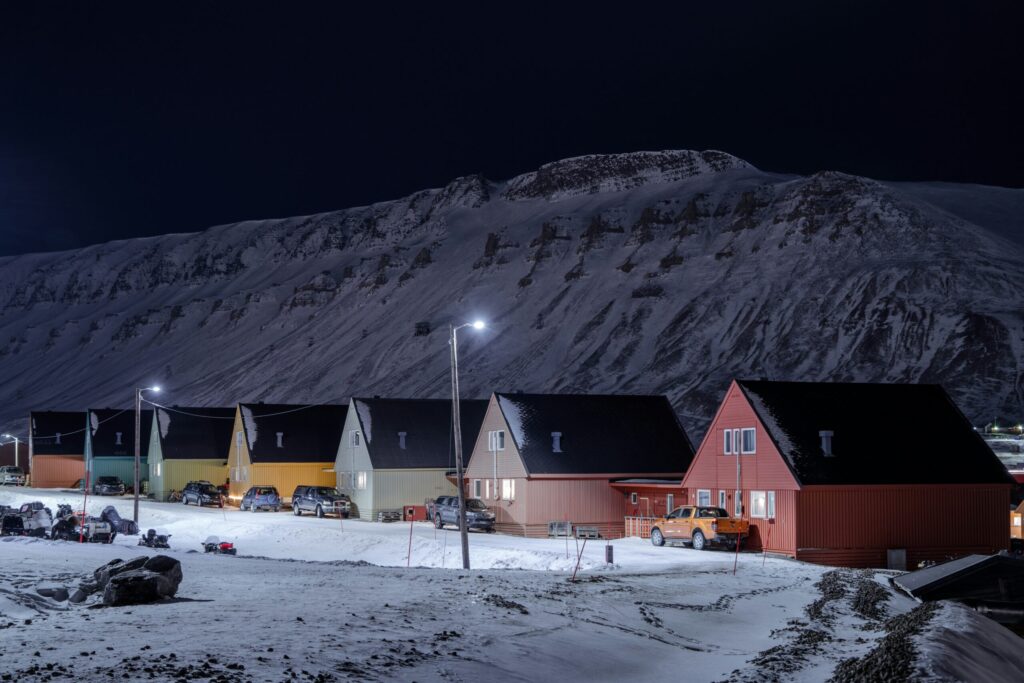
Polar Night
From mid-November to late January, Svalbard enters the polar night, a period when the sun remains below the horizon.
Despite the darkness, the Arctic is far from black. Soft blue twilight colours the landscape during the middle of the day, stars shine brightly overhead and the northern lights often dance across the sky. It is a unique and atmospheric season where the Arctic feels both mysterious and peaceful.
The polar night invites a different kind of exploration: quiet moments, warm interiors and unforgettable evenings beneath the aurora borealis.
